Harnessing the Sky: A Comprehensive Treatise on Water Harvesting
Introduction
Water harvesting is the deliberate collection, storage, and management of rainwater and surface runoff for productive uses, such as agriculture, livestock management, domestic consumption, and institutional supply. As the global population expands and industrialization accelerates, the demands placed on global freshwater resources have reached a critical tipping point. Fresh water—once perceived as an infinite, self-renewing gift of nature—is now recognized as a finite, highly vulnerable asset.
Climate change has fractured traditional meteorological patterns, replacing predictable monsoons and steady seasonal rains with volatile cycles of severe drought and catastrophic flooding. Concurrently, the exponential over-extraction of groundwater by modern deep-well pumping has caused water tables worldwide to collapse. In this precarious landscape, water harvesting ceases to be an elective environmental practice. It stands as an absolute, foundational pillar of global ecological security and human survival.
This comprehensive essay explores the multi-layered dimensions of water harvesting. It traces its historical evolution, examines its core technical architecture, delineates its immense environmental and socio-economic benefits, addresses implementation challenges, and outlines the strategic policy frameworks required to build a water-secure future.
The Historical Continuum: Ancient Wisdom in Water Management
Water harvesting is not a modern technological breakthrough; it is a time-tested ancient science that underpinned the survival of the world's most resilient early civilizations. For millennia, human societies recognized that their prosperity depended entirely on their ability to capture the rain where it fell.
                  ┌─────────────────────────────────────────┐
                  │    ANCIENT WATER HARVESTING SYSTEMS     │
                  └────────────────────┬────────────────────┘
                                       │
         ┌─────────────────────────────┼─────────────────────────────┐
         ▼                             ▼                             ▼
┌─────────────────┐           ┌─────────────────┐           ┌─────────────────┐
│  THE LEVANT     │           │  ROMAN EMPIRE   │           │ INDUS VALLEY &  │
│  (NEOLITHIC)    │           │                 │           │ ANCIENT INDIA   │
├─────────────────┤           ├─────────────────┤           ├─────────────────┤
│ Waterproof lime │           │ Intricate roof  │           │ Stepwells       │
│ plaster floors  │           │ channels, large │           │ (baolis),       │
│ and domestic    │           │ cisterns, and   │           │ Johads, Taankas │
│ rock cisterns.  │           │ aqueducts.      │           │ and Madakas.    │
└─────────────────┘           └─────────────────┘           └─────────────────┘
- The Levant and Mesopotamia: Archaeologists have traced the construction of waterproof lime plaster cisterns back to the Neolithic Age (circa 4000–2500 BCE) across the Levant. These early engineering marvels allowed agricultural communities to transition into dry-land farming, insulating them from prolonged arid spells.
- The Mediterranean World: The Roman Empire elevated water conservation to a civic art form. Roman villas were routinely engineered with integrated impluviums and compluviums—specialized roof profiles designed to catch rainfall and funnel it into subterranean household cisterns.
- The Indian Subcontinent: In regions like Rajasthan, Gujarat, and Balochistan, communities developed a spectacular lexicon of traditional water architecture. Systems such as Stepwells (Baolis), Taankas (underground storage tanks), Johads (earthen check dams), and Madakas functioned in harmony with local geography. Similarly, the grand Chola kings constructed massive communal infrastructure, such as the famous Shivaganga tank, which harvested runoff from the sprawling Brihadeeswarar temple complex.
These historical prototypes prove that sustainable water management thrives when infrastructure is decentralized, localized, and deeply attuned to the natural landscape.
Technical Paradigms of Modern Water Harvesting Systems
Modern water harvesting divides structurally into two principal methodologies based on the catchment profile and the final intended application: Rooftop Rainwater Harvesting and Surface Runoff Harvesting.
                     ┌──────────────────────────────────┐
                     │     WATER HARVESTING TYPOLOGY     │
                     └─────────────────┬────────────────┘
                                       │
         ┌─────────────────────────────┴─────────────────────────────┐
         ▼                                                           ▼
┌─────────────────────────────────┐                         ┌─────────────────────────────────┐
│   ROOFTOP HARVESTING (DOMESTIC) │                         │    SURFACE RUNOFF (LAND-BASED)  │
├─────────────────────────────────┤                         ├─────────────────────────────────┤
│ • Catchment: Tiles/Concrete     │                         │ • Catchment: Roads, Parks, Soil │
│ • Conveyance: PVC Gutters/Pipes │                         │ • Conveyance: Open Channels     │
│ • Treatment: First-Flush Divert │                         │ • Treatment: Sediment Traps     │
│ • End Use: Storage / Aquifers  │                         │ • End Use: Retention Ponds      │
└─────────────────────────────────┘                         └─────────────────────────────────┘
1. Rooftop Rainwater Harvesting (RWH)
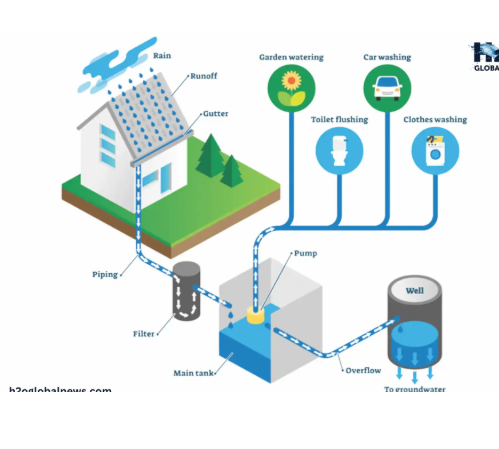
This approach turns private and public buildings into localized water micro-catchments. It is highly cost-effective and provides direct self-supply at the point of consumption. A standard system consists of five essential stages:
- The Catchment Surface: The immediate area receiving rainfall, typically flat concrete terraces, tiled surfaces, or corrugated metal roofs. The material composition of the catchment dictates the initial purity of the water.
- The Conveyance Network: A system of ultraviolet-stabilized PVC or galvanized iron gutters and downspouts that gather water from the roof eaves and transport it downward.
- The First-Flush Diverter: A mechanical valve arrangement designed to isolate and discard the initial wash of rain. This primary step prevents accumulated atmospheric dust, bird droppings, leaves, and organic debris from contaminating the main storage unit.
- The Filtration Assembly: A multi-layered filtration chamber comprising graded gravel, fine river sand, and activated charcoal. This bed removes suspended particulate matter and neutralizes organic odor before the water flows into storage.
- The Storage Unit / Cistern: Above-ground poly-tanks or reinforced concrete subterranean tanks. These require tight vector-proof lids to prevent mosquito breeding and must be kept out of direct sunlight to inhibit algal growth.
2. Surface Runoff Harvesting (Land-Based Systems)
Unlike localized roof collection, surface runoff harvesting captures storm water moving across the open landscape, including roads, city parks, open fields, and hillside slopes.
Because this water moves over wide expanses of soil and paved areas, it collects a heavier load of sediments and pollutants. Consequently, land-based systems rely on vast, dedicated civil engineering installations. They utilize contour bunds, retention ponds, check dams, and swales to slow the water down, trap silt, and allow large volumes of water to steadily soak back into the earth.
Environmental Impacts and Hydrological Dynamics
The ecological returns of large-scale water harvesting extend far beyond simple water storage. It acts as an active tool for environmental restoration and landscape stabilization.
Ground Aquifer Rejuvenation
For decades, global agriculture and urban centers have relied heavily on deep tube wells. This excessive extraction has depleted prehistoric groundwater reserves faster than natural rainfall can replenish them. Artificial groundwater recharge redirects harvested rainwater directly into deep aquifers through custom percolation pits, dug wells, and injection shafts. By acting as a natural sponge, the sub-surface strata store vast volumes of water protected from evaporation losses and surface contamination.
┌─────────────────────────────────────────────────────────────────────────┐
│              THE CYCLE OF GROUNDWATER REJUVENATION                      │
├─────────────────────────────────────────────────────────────────────────┤
│                                                                         │
│   [Rainfall] ──> [Catchment Area] ──> [Percolation Pit / Trench]        │
│                                                   │                     │
│                                                   ▼                     │
│   [Replenished Water Table] <── [Subsurface Strata / Aquifer]            │
│                                                                         │
└─────────────────────────────────────────────────────────────────────────┘
Mitigating Severe Soil Erosion
Uncontrolled stormwater runoff moves across vulnerable topsoil with immense kinetic energy. This process strips away fertile agricultural soils and carries them down-river as heavy silt. By breaking the velocity of surface runoff with swales, contour trenches, and check dams, water harvesting systems dramatically decrease soil erosion. This protects valuable agricultural land and preserves the delicate nutrient balance of local topsoil.
Urban Flood Mitigation and Drainage Relief
Modern cities feature massive expanses of asphalt and concrete that block natural water infiltration. During heavy storms, this creates immediate, high-volume surface runoff that quickly overwhelms municipal stormwater networks, leading to severe flash flooding.
Integrating distributed rainwater harvesting into urban architecture acts as a vital hydrological buffer. By intercepting and holding rain right where it falls, these systems reduce peak storm runoff volumes. This prevents street waterlogging, shields urban property from water damage, and relieves strain on aging city drainage networks.
Socio-Economic and Agricultural Transformation
The financial and social benefits of water harvesting are profound, acting as a direct catalyst for rural development and urban economic resilience.
| Dimension |
Core Operational Benefits |
Long-Term Impacts |
| Agricultural Resilience |
Provides reliable supplementary irrigation during dry periods. |
Increases multi-cropping potential and protects farmers against sudden crop failures. |
| Municipal Cost Reduction |
Supplies free, non-potable water directly to homes and commercial spaces. |
Lowers domestic utility bills and reduces the energy costs of pumping municipal water. |
| Social Empowerment |
Stabilizes local water availability, reducing the need to walk long distances for water. |
Increases school attendance for women and children while improving community health and hygiene. |
Transforming Marginal Agriculture
For rain-fed agricultural communities, sudden changes in weather can be economically devastating. Access to basic, on-farm water harvesting infrastructure—like simple plastic-lined farm ponds—gives smallholders crucial insulation against dry spells. Having a reliable reserve of water during critical growth phases protects crops from drying out, stabilizes seasonal yields, and allows farmers to confidently diversify into high-value vegetables and cash crops.
Urban Household Cost Savings
In urban environments, harvested rainwater can easily replace treated municipal water for non-potable needs like flushing toilets, washing vehicles, running laundry, and landscaping. Because these activities account for up to 60% of average domestic water use, harvesting rainwater dramatically reduces a household's monthly water bills. Furthermore, scaling down the demand for municipal water lowers the massive electrical costs city utilities incur from pumping water over long distances.
Social Equity and Gender Empowerment
In developing regions without centralized water networks, securing daily water remains a exhausting task that falls heavily on women and children. They routinely walk hours each day to fetch heavy water containers from distant wells or rivers.
Installing household or neighborhood-level rooftop harvesting systems provides an immediate, localized water supply. This saves hours of strenuous physical labor, allowing women to pursue education or income-generating work, while ensuring children can attend school regularly rather than carrying water.
Operational Challenges and System Constraints
Despite its clear advantages, water harvesting is not a universal fix. Implementing it successfully requires navigating distinct technical, financial, and biological challenges.
                  ┌─────────────────────────────────────────┐
                  │   CHALLENGES TO WIDESPREAD ADOPTION     │
                  └────────────────────┬────────────────────┘
                                       │
         ┌─────────────────────────────┼─────────────────────────────┐
         ▼                             ▼                             ▼
┌─────────────────┐           ┌─────────────────┐           ┌─────────────────┐
│ FINANCIAL       │           │ TECHNOLOGICAL   │           │ BIOLOGICAL      │
├─────────────────┤           ├─────────────────┤           ├─────────────────┤
│ High initial    │           │ Climate-driven  │           │ Risk of vector  │
│ capital for     │           │ rainfall        │           │ breeding, toxic │
│ storage tanks   │           │ volatility and  │           │ chemical runoff │
│ & retrofits.    │           │ capacity limits.│           │ from coatings.  │
└─────────────────┘           └─────────────────┘           └─────────────────┘
Initial Capital Costs
While the long-term operational costs of water harvesting are exceptionally low, the initial capital needed to build these systems can be a significant barrier. Constructing large underground concrete cisterns, installing high-capacity filtration units, and retrofitting older buildings with proper guttering requires a substantial upfront investment. Without targeted government subsidies or low-cost financing, these entry costs can be out of reach for low-income families and marginal farmers who need water security the most.
Vulnerability to Changing Climate Patterns
Water harvesting systems depend entirely on predictable rainfall. In highly arid regions with exceptionally long dry seasons or very brief, erratic rainy periods, small storage tanks can run dry quickly. Conversely, unusually heavy downpours can easily overwhelm standard systems, causing excess water to spill over and go to waste if storage capacities are under-designed.
Water Quality and Health Risks
Maintaining strict cleanliness across the system is vital. If catchment roofs are not regularly cleared of dust, bird droppings, dead leaves, and organic debris, the stored water can rapidly become a breeding ground for harmful pathogens.
Furthermore, using roofs coated with lead-based paints, toxic sealants, or asphalt shingles can leach dangerous chemical residues into the water supply. Stored water must also be tightly sealed; poorly covered tanks can invite mosquito breeding, raising the risk of vector-borne diseases like dengue and malaria within communities.
Policy Interventions and Global Case Studies
To move water harvesting from a niche environmental choice to a mainstream public utility, governments must implement strong, clear regulatory policies.
Mandatory Building Codes
One of the most effective policy tools is rewriting urban planning laws to make rainwater harvesting mandatory for new construction. Cities like Chennai and Bengaluru in India pioneered this strategy by legally requiring all new buildings above a certain size to install functional rooftop harvesting systems. These policy steps helped stabilize rapidly falling city water tables and reduced dependence on distant, expensive rural water tankers.
Financial Incentives and Tax Credits
Governments can accelerate public adoption by offering direct financial incentives. Providing property tax rebates to homeowners who install verified harvesting systems creates a powerful, ongoing financial motive. Similarly, offering subsidized construction materials—like discounted PVC piping, geo-membranes for farm ponds, and storage tanks—makes water harvesting accessible to a much broader cross-section of society.
Educational Integration and Community Engagement
Long-term success relies heavily on deep community participation. Educational institutions should integrate water conservation and practical hydrology into school curriculums from an early age. When citizens understand how to build, clean, and maintain their own localized water harvesting setups, they take active ownership of their water security, reducing the burden on overstretched state infrastructure.
Conclusion
Water harvesting represents a brilliant bridge between ancient ecological wisdom and modern civil engineering. It stands as one of our most practical, accessible, and democratic responses to the escalating global water crisis. By decentralizing water collection, it empowers individuals, farmers, and cities to become active stewards of their own water resources rather than passive consumers.
While challenges around initial installation costs, system upkeep, and water purity require careful attention, the long-term returns—including replenished ground aquifers, protected topsoils, reduced city flooding, and secure agricultural yields—are undeniable.
As climate change continues to disrupt our planet's natural water cycles, we can no longer afford to let precious rainfall run off into polluted drains. Investing systematically in water harvesting infrastructure is more than a smart environmental policy; it is a fundamental commitment to safeguarding human dignity, economic prosperity, and the long-term health of our shared biosphere.
Would you like to focus on a specific aspect of this essay? I can:
- Expand on traditional Indian harvesting structures (like Johads, Taankas, and Stepwells) with deeper engineering details.
- Add a detailed technical section on urban engineering and hydraulic calculations for sizing cisterns.
- Provide a deeper analysis of water purification and filtration chemistry for potable use.