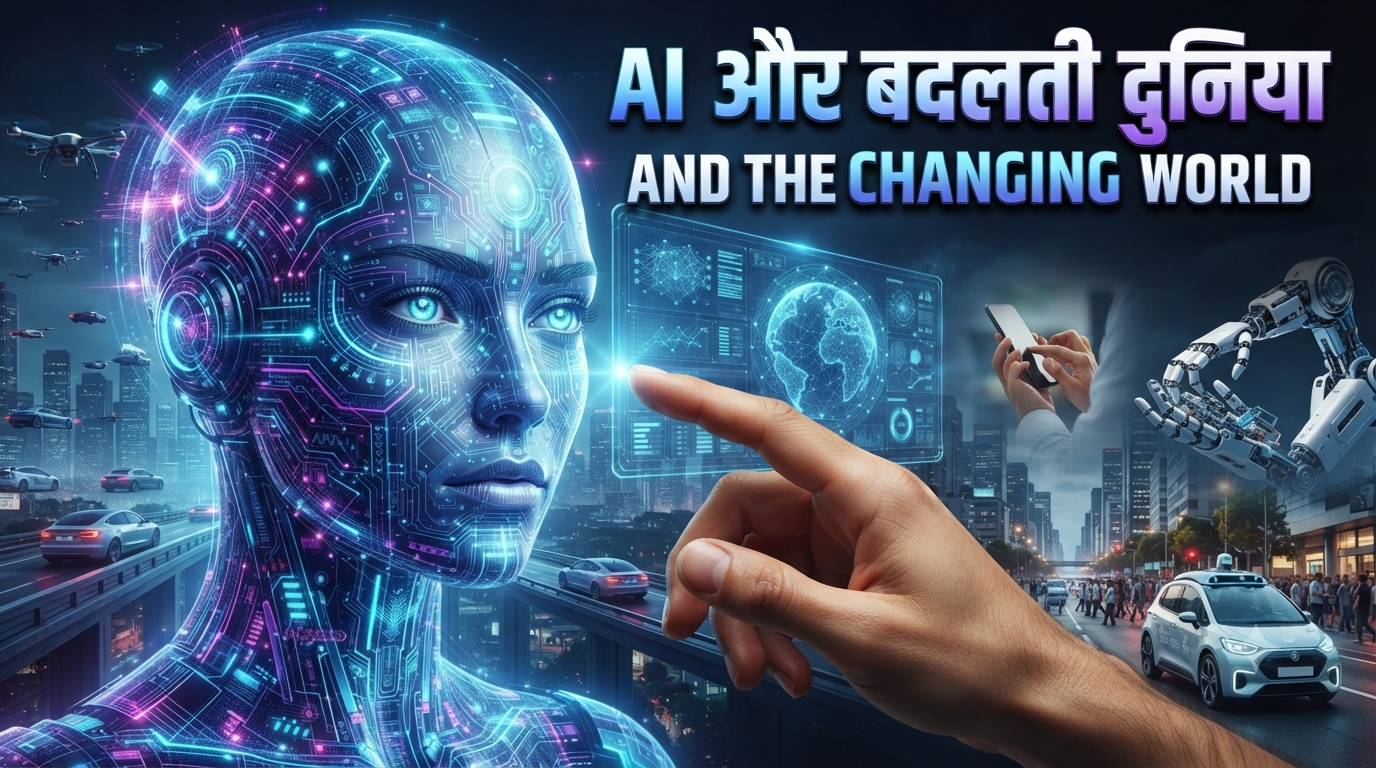
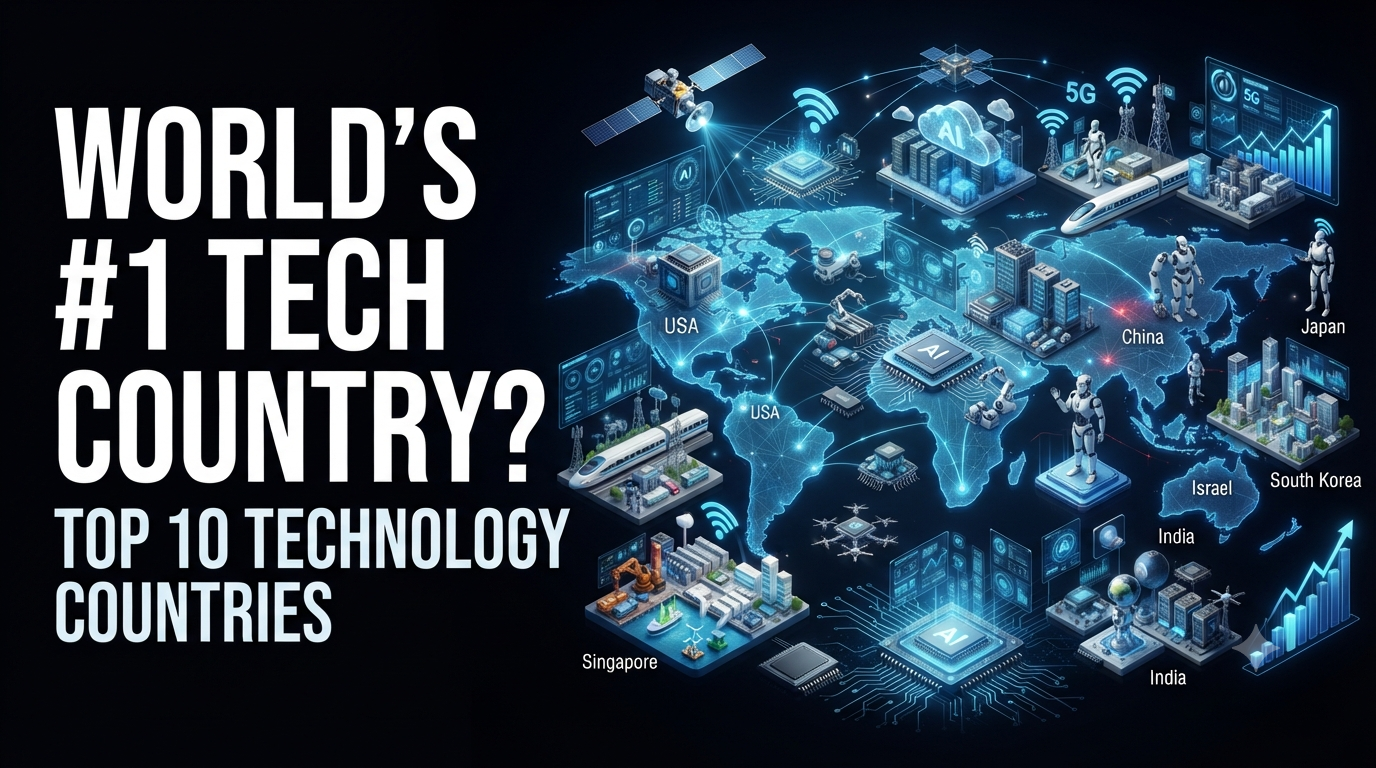
Technology has become one of the most powerful forces shaping modern life. From smartphones and computers to artificial intelligence, robots, cloud computing, and renewable energy systems, technology influences almost every aspect of human society. It has changed the way people communicate, work, study, travel, shop, entertain themselves, and solve problems. What once seemed like science fiction is now becoming part of everyday life.
The development of technology has not happened overnight. Human beings have always created tools to make life easier, beginning with simple inventions such as the wheel and agricultural tools. Over time, scientific discoveries and engineering advances led to machines, electricity, telephones, computers, and the internet. Today, technological progress is occurring at an extraordinary speed. New innovations appear regularly, and they can spread around the world within a short period.
Technology offers enormous opportunities, but it also creates challenges. It can improve education, healthcare, communication, business, and environmental protection, while excessive dependence on technology can contribute to problems involving privacy, cybersecurity, misinformation, employment, and digital well-being. Therefore, understanding technology and using it responsibly is increasingly important.
The Evolution of Technology
The history of technology can be understood as a continuous effort to solve human problems. Early humans developed tools for hunting, farming, construction, and transportation. The invention of the wheel made transportation easier, while improvements in agriculture helped societies produce more food.
The Industrial Revolution brought another major transformation. Machines began performing tasks that had previously required large amounts of human labor. Steam engines, factories, railways, and mechanical production changed economies and societies. Later, electricity made possible a new generation of inventions, including electric lighting, household appliances, telephones, and advanced industrial machinery.
The twentieth century witnessed the development of computers, satellites, television, mobile communication, and the internet. Computers moved from being large machines used primarily by institutions to becoming everyday devices. The internet connected people across geographical boundaries and created an enormous global network for information and communication.
The twenty-first century has introduced technologies such as smartphones, cloud computing, machine learning, artificial intelligence, biotechnology, autonomous systems, and advanced robotics. These developments are changing not only the devices people use but also the way organizations operate and make decisions.
Technology and Communication
Communication is one of the areas most dramatically transformed by technology. In the past, communicating across long distances could take days or even weeks. Letters and traditional forms of communication required physical transportation. The telephone reduced this delay, while the internet eventually made almost instant global communication possible.
Today, people can communicate through messaging applications, email, video calls, social networks, and online collaboration platforms. A student in one country can participate in a virtual class taught from another country. Businesses can hold meetings with employees and customers around the world without requiring everyone to travel.
Social media has also changed how people share information and express themselves. Individuals can publish photographs, videos, opinions, and creative work to large audiences. However, the speed of online communication also creates challenges. False information can spread rapidly, and users may encounter misleading or unreliable content. This makes digital literacy—the ability to evaluate information carefully—an increasingly important skill.
Technology in Education
Education has benefited greatly from technological development. Computers, tablets, digital libraries, educational applications, and online courses have expanded access to learning materials. Students can find explanations, lectures, documentaries, simulations, and research resources without depending entirely on physical textbooks.
Online education has also created opportunities for people who cannot easily attend traditional classrooms. Recorded lessons allow learners to study at convenient times, while interactive platforms can provide exercises and assessments.
Artificial intelligence is beginning to influence education as well. AI-based systems can help organize information, provide explanations, support language learning, and assist teachers with certain administrative tasks. At the same time, students need to learn how to use such systems responsibly. Technology should support understanding rather than replace genuine learning, critical thinking, creativity, and independent effort.
The most effective educational environment may therefore be one in which technology and human teaching complement each other. Teachers provide experience, guidance, encouragement, and social interaction, while digital tools can provide additional resources and personalized learning opportunities.
Technology and Healthcare
Modern healthcare depends heavily on technology. Medical imaging systems help doctors examine the human body, while laboratory technologies support diagnosis and scientific research. Electronic health records allow medical information to be stored and accessed digitally, where appropriate.
Telemedicine has made it possible for patients to communicate with healthcare professionals remotely in situations where an in-person visit is not necessary. Wearable devices can also collect information such as physical activity and heart rate, giving individuals more insight into certain aspects of their everyday health.
Technology is also contributing to medical research. Researchers use powerful computers to analyze large datasets, study diseases, and investigate potential treatments. Robotics can assist with certain medical procedures, while biotechnology is creating new possibilities in areas such as genetics and drug development.
However, healthcare technology must be developed and used carefully. Medical information is highly sensitive, so privacy and security are essential. New technologies also need appropriate testing and professional oversight to ensure that they are safe and effective.
Artificial Intelligence
Artificial intelligence, commonly known as AI, is among the most significant technological developments of the present era. AI systems can perform tasks involving pattern recognition, language processing, prediction, image analysis, and other forms of computation.
AI is already being used in many industries. Businesses use it to analyze information and automate routine processes. Scientists use computational systems to examine complex datasets. Translation and accessibility tools can help people communicate across language barriers. Creative software can assist with writing, design, music, and other forms of content creation.
The growth of AI has also raised important questions. Some jobs may change as organizations automate particular tasks. People are also concerned about privacy, inaccurate AI-generated information, bias in automated systems, and the appropriate use of AI-generated content.
These challenges demonstrate that technological progress requires more than technical innovation. Society also needs appropriate rules, education, transparency, and human responsibility. AI should be treated as a tool whose benefits and limitations need to be understood rather than as a replacement for human judgment in every situation.
Technology and Business
Technology has transformed the business world. Companies can now sell products and services to customers across borders through online platforms. Digital payment systems have made many transactions faster and more convenient. Cloud computing allows organizations to store data and use software through internet-based infrastructure.
Small businesses can also benefit from technology. A local company can create a website, communicate with customers online, advertise through digital platforms, and manage its operations using affordable software. This can reduce some traditional barriers to entering markets.
Automation is another major development. Machines and software can perform repetitive tasks quickly and consistently. In manufacturing, robots can assist with production and quality control. In offices, software can automate activities such as scheduling, data processing, and document management.
However, technology can also change employment patterns. Workers may need to learn new skills as certain tasks become automated. This makes lifelong learning increasingly important. The future workplace will likely require both technical abilities and human skills such as communication, creativity, collaboration, and problem-solving.
Technology and Transportation
Transportation has also undergone remarkable technological change. Cars, trains, aircraft, ships, and public transportation systems have become increasingly sophisticated. Navigation systems allow travelers to find routes efficiently, while digital platforms provide information about traffic and transportation schedules.
Electric vehicles are another important development. They use electric motors rather than conventional internal-combustion engines and can contribute to reducing certain forms of local air pollution. The expansion of charging infrastructure and improvements in battery technology are important factors in their adoption.
Research into autonomous vehicles is also continuing. Such systems use sensors, cameras, software, and artificial intelligence to understand their surroundings and make driving decisions. Their wider use would require careful testing, regulation, and consideration of safety.
Technology is therefore changing not only how people move but also how transportation systems are designed and managed.
Technology and the Environment
Technology can play an important role in addressing environmental challenges. Renewable energy technologies, including solar and wind power, provide alternatives to fossil-fuel-based electricity generation. Improvements in batteries and energy storage can help manage variable renewable energy production.
Smart systems can also improve energy efficiency. Buildings can use sensors to control lighting and heating, while industries can monitor equipment to reduce waste. Satellites and other technologies can help scientists observe forests, oceans, weather patterns, and environmental changes.
At the same time, technology itself has an environmental cost. Producing electronic devices requires raw materials and energy. Electronic waste can become a serious problem when old devices are discarded improperly. Data centers and digital infrastructure also consume electricity.
Consequently, technological progress should be accompanied by efforts to design products that last longer, use resources efficiently, and can be repaired, reused, or recycled.
Cybersecurity and Privacy
As more personal and professional activities move online, cybersecurity has become essential. People use the internet for banking, communication, education, shopping, and storing personal information. This creates opportunities for cybercriminals to steal information, disrupt systems, or commit fraud.
Individuals can improve their digital security by using strong, unique passwords, enabling multi-factor authentication when available, keeping software updated, and being cautious about suspicious messages and links.
Privacy is another major concern. Many digital services collect information about users and their activities. Data can be valuable for improving services, but its collection and use raise questions about consent, security, and individual control.
A technologically advanced society therefore needs not only innovative products but also strong practices for protecting people and their information.
The Digital Divide
Although technology provides many opportunities, not everyone has equal access to it. The digital divide refers to differences in access to devices, internet connectivity, digital skills, and technological resources.
People living in areas with limited infrastructure may struggle to access online education, digital employment, healthcare services, and other opportunities. Economic circumstances can also affect whether individuals can afford reliable devices and internet connections.
Closing this divide requires investment in infrastructure, affordable connectivity, digital education, and accessible technology. Technology can contribute to greater equality only when people have meaningful opportunities to use it.
The Future of Technology
The future of technology is difficult to predict, but several trends are likely to remain important. Artificial intelligence will continue to develop, while robotics, biotechnology, renewable energy, advanced computing, and connected devices may become increasingly integrated into daily life.
The Internet of Things, in which physical devices communicate and exchange data, could make homes, factories, transportation systems, and cities more connected. Advances in biotechnology may create new approaches to medicine and agriculture. Improvements in energy technology could support the transition toward more sustainable systems.
However, the future should not be measured only by how advanced technology becomes. A successful technological future should also consider human well-being, fairness, privacy, safety, education, and environmental sustainability.
Responsible Use of Technology
Technology itself is neither automatically good nor bad. Its effects depend significantly on how people design, regulate, and use it. A smartphone can help a student access educational resources, but excessive use can interfere with concentration. Social media can connect people, but it can also expose users to misinformation. AI can increase productivity, but careless use can produce inaccurate or unfair results.
Responsible technology use therefore requires balance. Individuals should develop digital literacy and understand the consequences of their online activities. Schools should teach students how to evaluate digital information. Businesses should consider security and user privacy when developing products. Governments and institutions have a role in establishing appropriate rules while encouraging innovation.
Most importantly, humans should remain responsible for the decisions made with technological systems. Technology should serve human goals rather than becoming an unquestioned substitute for human judgment.
Conclusion
Technology has transformed civilization and continues to reshape the world at an extraordinary pace. It has improved communication, expanded educational opportunities, supported healthcare, changed business, transformed transportation, and created new approaches to environmental challenges. Artificial intelligence and other emerging technologies may produce even greater changes in the years ahead.
At the same time, technological progress brings challenges involving privacy, cybersecurity, employment, misinformation, environmental impact, and unequal access. These issues cannot be solved simply by creating more advanced machines. They require thoughtful decisions, responsible institutions, educated users, and cooperation between scientists, businesses, governments, and communities.
The real value of technology lies not merely in how powerful or sophisticated it becomes, but in how effectively it improves human life. The goal should be to create a future in which technological innovation is combined with responsibility, sustainability, security, and human values.
Technology will continue to evolve, but humans will determine how it shapes society. By using technological tools wisely and understanding both their possibilities and limitations, society can make innovation a powerful means of building a more connected, productive, and sustainable future.