Good health is one of the most valuable things a person can have. It affects how we work, study, think, sleep, exercise, and enjoy everyday life. Many people believe that becoming healthy requires expensive food, a strict workout routine, or major lifestyle changes. In reality, improving health often begins with simple habits that can be practiced consistently.
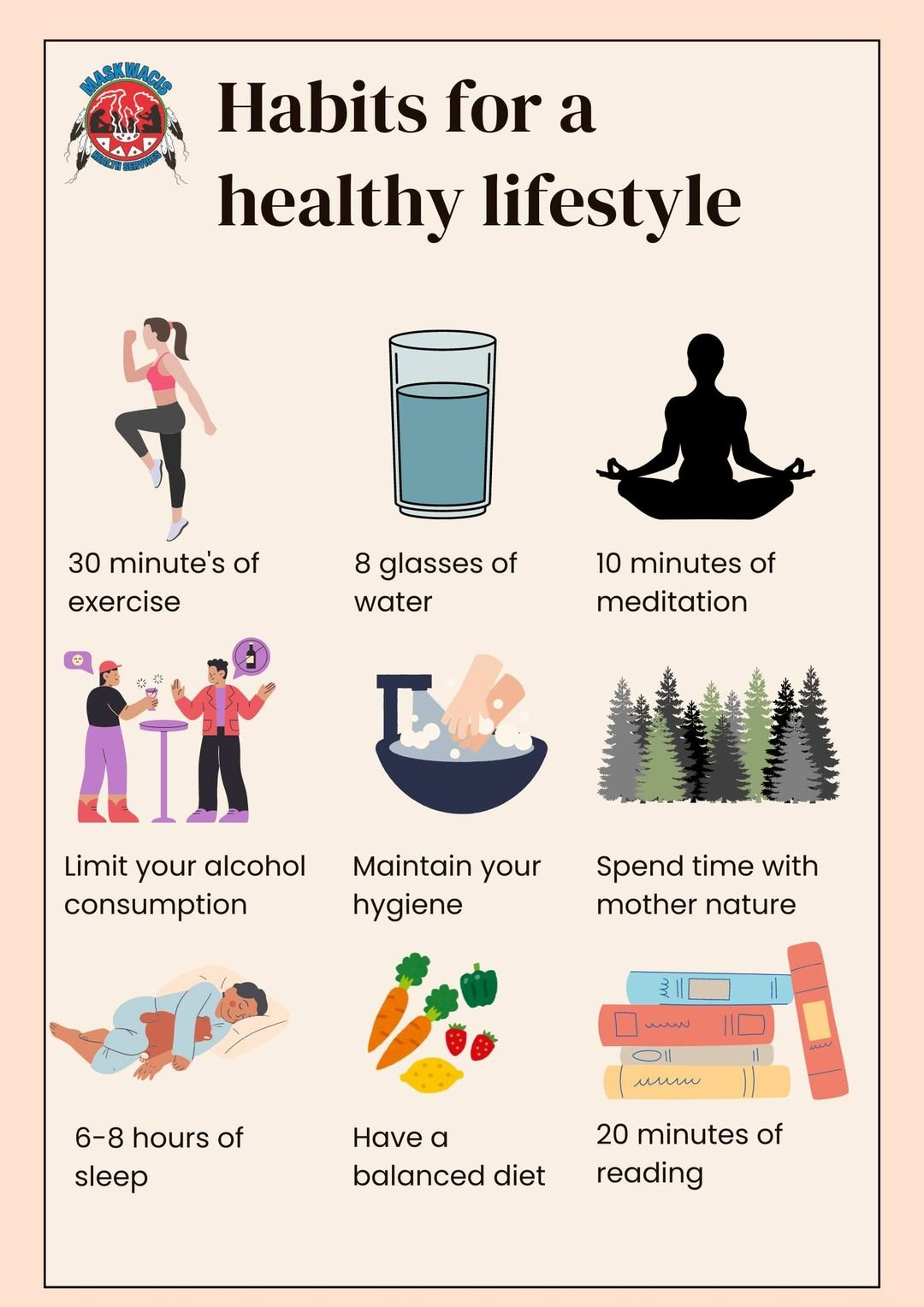
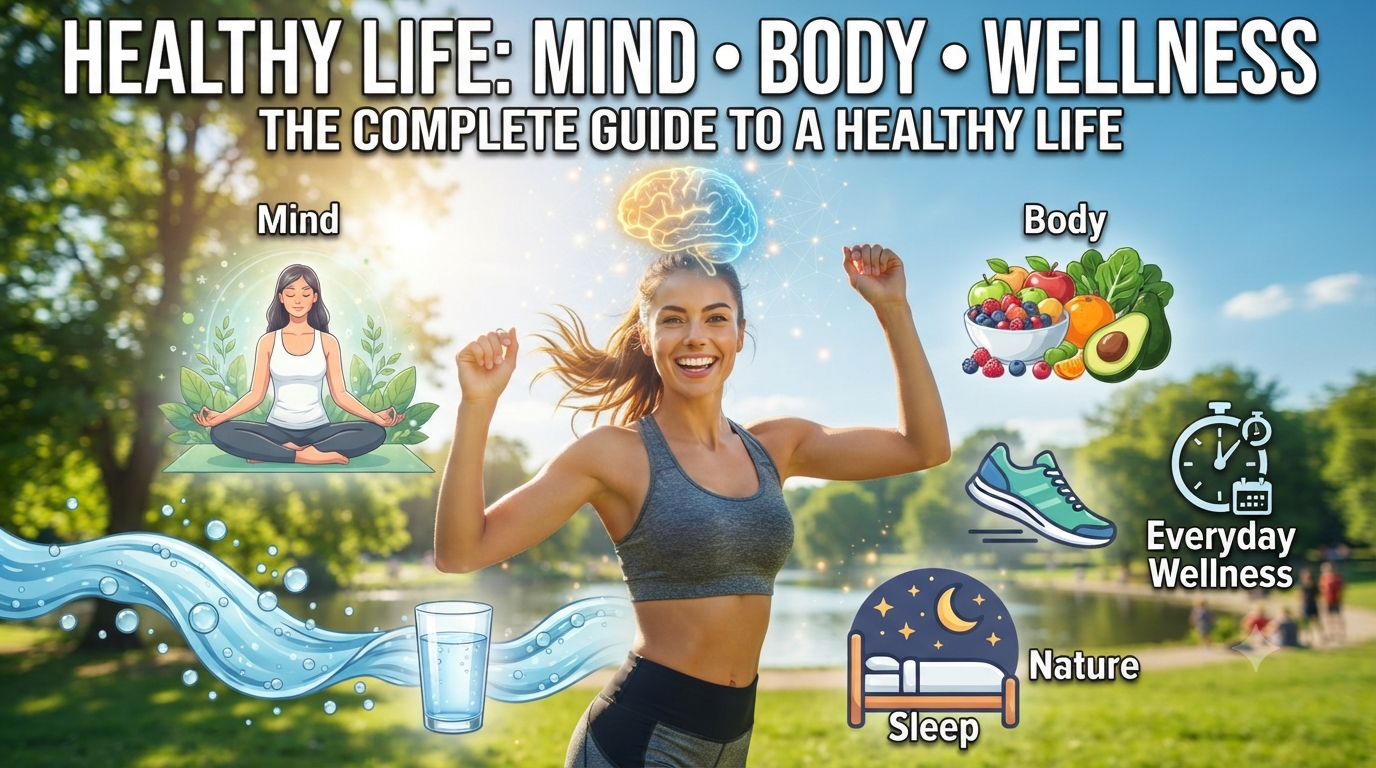
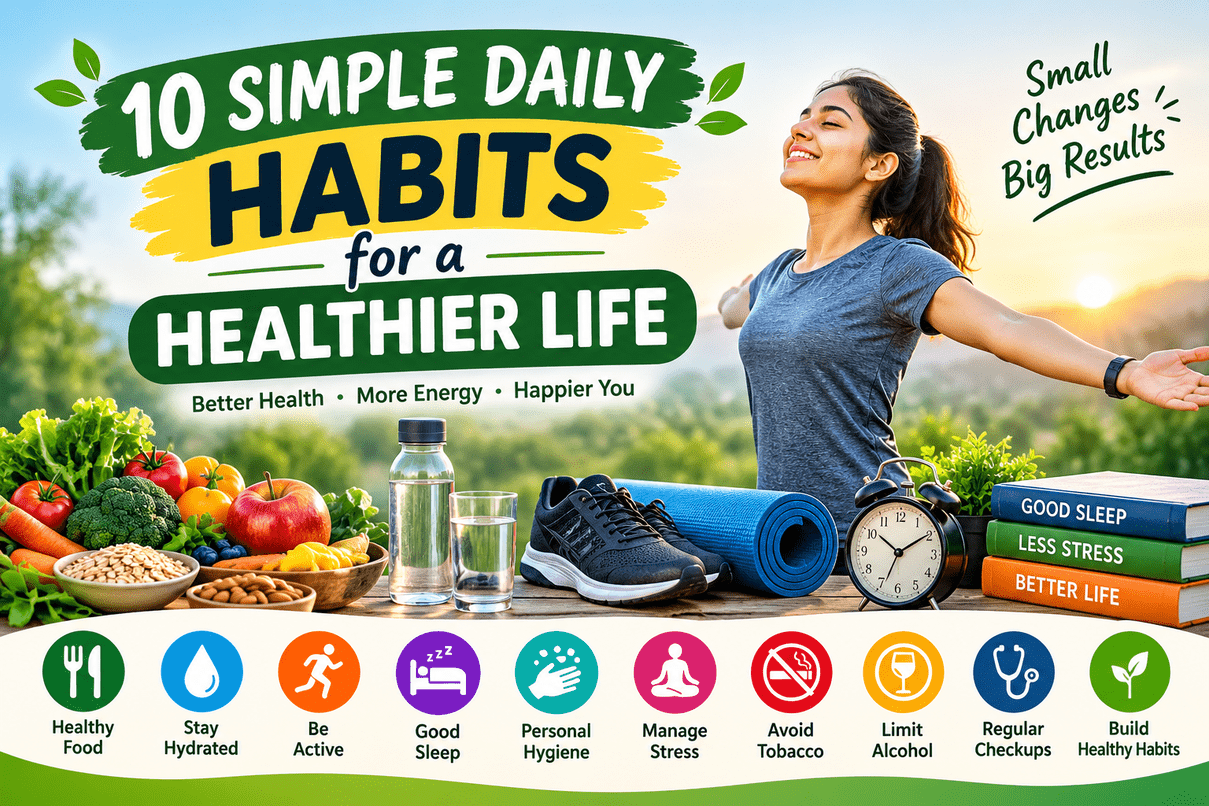
A healthy lifestyle is not about being perfect. It is about making better choices regularly and developing routines that support physical and mental well-being. Eating nutritious food, drinking enough water, staying active, getting quality sleep, maintaining personal hygiene, managing stress, avoiding tobacco, limiting alcohol, attending appropriate health checkups, and building sustainable habits can all contribute to a healthier lifestyle.
Below are ten practical habits that can help people take better care of their health.
1. Eat a Balanced and Nutritious Diet
Food provides the energy and nutrients the body needs to function. A balanced diet should contain a variety of foods rather than relying heavily on one type of food.
Try to include vegetables, fruits, whole grains, pulses, beans, nuts, seeds, and appropriate sources of protein in your regular meals. Different foods provide different nutrients, so eating a variety of foods can help support nutritional needs.
Vegetables and fruits can provide vitamins, minerals, fiber, and other beneficial compounds. Whole grains and other high-fiber foods can be part of a healthy eating pattern. Protein-rich foods are important for maintaining and repairing body tissues.
It is also useful to pay attention to highly processed foods that contain large amounts of added sugar, salt, or unhealthy fats. These foods do not necessarily need to be completely eliminated, but they are generally better consumed less frequently and in reasonable portions.
Meal planning can make healthy eating easier. Instead of deciding what to eat when you are already very hungry, prepare some meals or ingredients in advance. Keeping nutritious snacks such as fruit, nuts, or other suitable foods available can also make it easier to choose healthier options.
Healthy eating does not mean following a complicated diet. The goal is to develop a balanced eating pattern that is practical, affordable, and sustainable.
2. Stay Properly Hydrated
Water is essential for many normal functions of the body. The amount of fluid a person needs can vary depending on factors such as temperature, physical activity, diet, age, and individual circumstances.
One simple habit is to keep drinking water available throughout the day. People who work outdoors or exercise may need more fluids, particularly in hot conditions.
Instead of regularly choosing sugary drinks, water can often be a simple everyday option. Unsweetened beverages can also contribute to fluid intake.
Hydration is especially important during physical activity and hot weather. However, drinking excessively is not necessary for most people. A practical approach is to drink regularly and pay attention to thirst and other normal body signals.
Making hydration part of your routine can be as simple as carrying a reusable water bottle when going to work, college, school, or traveling.
3. Make Physical Activity Part of Your Day
Regular physical activity supports overall fitness and can benefit the heart, muscles, bones, and mental well-being. Exercise does not always require a gym membership or expensive equipment.
Walking is one of the simplest ways to become more active. Cycling, swimming, jogging, dancing, sports, household activities, and exercise routines at home can also contribute to physical activity.
If you have been inactive for a long time, start gradually. For example, you might begin with short walks and slowly increase the duration or intensity as your fitness improves.
Strength-building activities can also be useful because maintaining muscle strength becomes increasingly important throughout life. Flexibility and balance exercises may also be valuable depending on age and individual needs.
The most important factor is consistency. A short activity session that you perform regularly can be more practical than an intense routine that you cannot maintain.
If you have a medical condition, injury, or other concern about exercising, consult an appropriate healthcare professional before beginning a new exercise program.
4. Give Your Body Enough Sleep
Sleep is an important part of physical and mental well-being. Poor sleep can make it harder to concentrate, work, study, and manage daily activities.
A consistent sleep schedule can help establish a healthy routine. Try to go to bed and wake up at approximately the same times each day when possible.
Creating a comfortable sleeping environment can also help. Keep the bedroom suitable for rest, and reduce activities that make it difficult to wind down before bedtime.
Using phones or other screens immediately before sleep may interfere with relaxation for some people. Creating a quiet period before bedtime can make the transition to sleep easier.
Adults generally need around seven or more hours of sleep per night, although individual needs vary. Children and teenagers generally require more sleep.
If someone regularly has difficulty sleeping, snores heavily, experiences unusual daytime sleepiness, or has other persistent sleep problems, discussing the issue with a healthcare professional may be appropriate.
5. Maintain Good Personal Hygiene
Personal hygiene is an important part of everyday health. Simple practices can help reduce exposure to germs and support general cleanliness.
Regular handwashing is particularly important before eating, after using the toilet, after handling potentially contaminated materials, and after returning from places where exposure to germs may be higher.
Brushing the teeth regularly and maintaining oral hygiene are also important. Regular dental care can help identify problems early and support long-term oral health.
Bathing, wearing clean clothes, keeping nails clean, and maintaining a clean living environment are additional basic hygiene practices.
Good hygiene is not only about appearance. It is part of taking care of yourself and reducing preventable health risks.
6. Learn Healthy Ways to Manage Stress
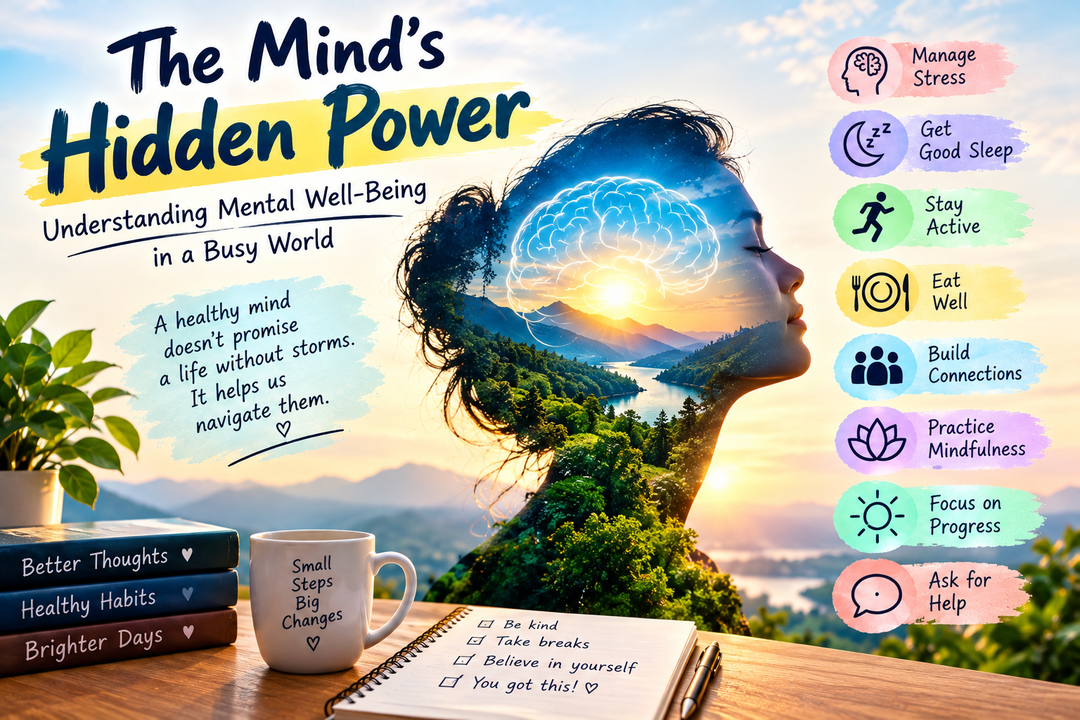
Stress is a normal part of life. Work, studies, financial responsibilities, relationships, and unexpected events can all create stress. While some stress can be temporary, ongoing stress can affect a person's overall well-being.
Learning how to manage stress is therefore an important part of a healthy lifestyle.
Different strategies work for different people. Physical activity, spending time outdoors, talking with trusted people, listening to music, reading, hobbies, relaxation exercises, and maintaining a regular routine can all be useful.
Taking short breaks during a busy day can also help. If you are studying or working for several hours, standing up, walking around, stretching, or taking a brief mental break can be beneficial.
It is also important not to ignore persistent emotional difficulties. If stress, anxiety, low mood, or other problems interfere significantly with daily life, consider speaking with a qualified healthcare or mental-health professional.
Asking for support is not a weakness. It can be an important part of maintaining overall health.
7. Avoid Tobacco and Smoking
Tobacco use is associated with serious health risks and can affect multiple parts of the body. Cigarettes and other tobacco products expose users to harmful substances.
Avoiding tobacco is one of the important choices a person can make for long-term health. People who currently use tobacco may benefit from seeking professional help to quit.
Quitting can be difficult because nicotine can cause dependence. Instead of relying only on willpower, people may consider evidence-based cessation support from healthcare professionals and appropriate quit-smoking services.
Avoiding tobacco also helps reduce exposure to secondhand smoke for people around the user.
For young people in particular, avoiding tobacco from the beginning can prevent the development of nicotine dependence and reduce future health risks.
8. Limit Alcohol Consumption
Alcohol can affect health in several ways, particularly when consumed frequently or in large quantities. Limiting alcohol can therefore be an important part of a healthy lifestyle.
People who drink should be aware that the risks can increase with higher consumption. Some individuals should avoid alcohol entirely, including people for whom alcohol interacts with medications or medical conditions, pregnant people, and those who need to drive or operate machinery.
Alcohol should never be used as the main method of managing stress or emotional difficulties.
If reducing alcohol consumption feels difficult, professional support can be helpful. Making gradual changes, identifying situations that trigger drinking, and finding alternative activities can support healthier routines.
9. Do Not Ignore Regular Health Checkups
Many health problems do not cause obvious symptoms during their early stages. Appropriate preventive care and screening can help identify certain problems before they become more serious.
The type and frequency of health checkups depend on factors such as age, sex, family history, lifestyle, existing conditions, and individual risk.
Routine appointments can also provide an opportunity to discuss concerns about nutrition, exercise, sleep, medications, vaccinations, and other aspects of health.
Preventive healthcare is not only for people who are sick. It can also help healthy people maintain their well-being and understand their personal risk factors.
However, routine checkups should not replace medical attention when symptoms appear. New, severe, or persistent symptoms should be discussed with an appropriate healthcare professional.
10. Build Healthy Habits Gradually
One of the biggest mistakes people make when trying to improve their health is attempting to change everything at once.
A person might decide to completely change their diet, exercise every day, sleep perfectly, stop all unhealthy foods, and follow a strict schedule from the very next day. Such an approach can be difficult to maintain.
A better strategy for many people is to make small changes.
For example, start by adding a short daily walk. Once that becomes routine, work on improving meal choices. Later, establish a more consistent bedtime. Small improvements can gradually become part of everyday life.
Tracking progress can also be helpful. You might use a notebook or phone to record physical activity, water intake, sleep, or other habits. The purpose is not to become obsessed with numbers but to understand patterns and remain consistent.
If you have an unsuccessful day, do not consider the entire effort a failure. Simply return to your routine the next day.
The Importance of Mental and Social Well-Being
Health is not only about physical fitness. Mental and social well-being are also important parts of a healthy life.
Maintaining relationships with family, friends, classmates, coworkers, or community members can provide companionship and emotional support. Making time for meaningful conversations and shared activities can help people feel connected.
Learning new skills and maintaining hobbies can also make everyday life more enjoyable. Reading, gardening, sports, music, creative activities, and volunteering are examples of activities that can provide a sense of purpose and satisfaction.
A balanced lifestyle should include time for responsibilities as well as rest and recreation.
How to Start a Healthier Routine
If you want to improve your lifestyle, begin with a few realistic goals.
For the first week, you might focus on drinking water regularly and taking a daily walk. During the next week, you could improve your breakfast or add more vegetables to meals. You can then work on establishing a consistent sleep routine.
Avoid comparing your progress with other people. Health needs and circumstances differ from person to person.
It is also important to be careful with health information found online. Not every popular diet, supplement, exercise program, or health claim is supported by reliable evidence. Before making major changes, particularly if you have an existing medical condition or take medication, consult a qualified healthcare professional.
Conclusion
A healthy life is built through everyday choices. You do not need to completely change your life overnight to begin improving your health.
Eating a balanced diet, drinking enough fluids, staying physically active, getting adequate sleep, maintaining personal hygiene, managing stress, avoiding tobacco, limiting alcohol, receiving appropriate preventive care, and developing sustainable routines are practical steps toward better overall well-being.
The most important principle is consistency. Small positive actions repeated over time can become powerful habits. Instead of searching for a quick solution, focus on creating a lifestyle that you can realistically maintain.
Good health is a long-term investment. By taking care of your body, paying attention to your mental well-being, building supportive relationships, and seeking professional advice when necessary, you can create a healthier and more balanced approach to everyday life.