We take care of our bodies every day. We eat, drink water, exercise and rest when we are tired. But how often do we stop and ask, “How is my mind doing?”
The mind is one of the most powerful parts of who we are. It helps us learn, imagine, remember, solve problems, make decisions, build relationships and dream about the future. Yet because we cannot see it, we often forget that it needs care too.
Mental well-being is not about being cheerful every minute. Life naturally brings happiness, sadness, excitement, disappointment, fear and frustration. Good mental well-being means understanding these emotions, coping with everyday challenges, maintaining healthy relationships and knowing when to seek support.
It is also important to understand that mental well-being can change. A person may feel energetic and confident one day and tired or worried the next. These changes are part of life. Taking care of our minds is therefore not a one-time activity but an ongoing process.
The World Inside Our Mind
Our mind is like an invisible room that travels with us. It contains our memories, thoughts, emotions, dreams and worries. Sometimes it feels calm; at other times, it can seem crowded with thoughts.
A thought, however, is not necessarily a fact. After making a mistake, one person might think, “I can never do this,” while another might think, “I need to practise more.” The situation has not changed, but the interpretation has.
Learning to notice our thoughts without automatically believing every negative one can help us respond more thoughtfully. Instead of asking, “Why can't I do this?”, we can ask, “What is difficult, and what can I do next?”
This way of thinking does not mean pretending that problems are easy. It means looking at them realistically and focusing on what is within our control.
When Stress Takes Over
Stress is a normal response to pressure. It can motivate us to prepare for an examination, meet a deadline or solve a problem. A certain amount of pressure can help us stay alert and focused.
The problem begins when stress becomes constant and there is not enough time for recovery. A person may feel tired, irritated, distracted or overwhelmed. Schoolwork, examinations, family responsibilities, friendships and social media can all add pressure.
We cannot remove every challenge from life, but we can learn to manage our response to it.
Breaking a large task into smaller ones can make it less intimidating. Organising priorities can prevent everything from feeling urgent at the same time. Taking short breaks can restore concentration. Talking to someone can provide a different perspective.
Sometimes the best approach is simple:
One task. One step. One day at a time.
The Brain Needs Rest
Modern life rarely becomes quiet. Notifications, messages, videos, homework and responsibilities constantly compete for our attention. Even when our bodies stop, our minds may continue racing.
That is why rest matters.
Sleep is particularly important for the brain. It supports learning, memory, concentration, emotional regulation and physical recovery. Regularly sacrificing sleep can make it harder to focus and deal with everyday challenges.
A healthy routine does not have to be perfect. Going to bed at a reasonably consistent time, reducing unnecessary screen use before sleeping, taking breaks during long periods of study and allowing ourselves moments of quiet can help.
Rest should not be seen as the opposite of productivity. Sometimes rest is what makes productive work possible.
Move to Refresh the Mind
Mental and physical health are closely connected. Regular physical activity can support mood, sleep, concentration and overall health.
Exercise does not have to mean intense workouts. Walking, cycling, swimming, dancing, stretching, playing a sport or spending time outdoors can all provide movement and a change of environment.
Movement can also provide a mental break. After spending hours looking at books or screens, even a short walk can help us return with a fresher mind.
The purpose of activity should be health and well-being—not achieving a particular appearance.
Our bodies do not need to look a certain way to deserve care. Movement is valuable because it helps us feel and function better.
Food and the Brain
The brain needs energy and nutrients to function normally. A balanced diet containing a variety of nutritious foods supports physical and mental well-being, while adequate hydration supports essential body functions.
Skipping meals or relying heavily on highly processed foods may affect energy levels and concentration. Regular, balanced meals can provide the fuel needed for a busy day.
There is no single “magic food” that guarantees good mental health. Nutrition is one part of a bigger picture that includes sleep, movement, relationships, relaxation and emotional support.
Healthy living is usually built through ordinary choices repeated consistently rather than through extreme rules.
The Power of Connection
Human beings need connection. A conversation with a trusted friend, parent, teacher, counsellor or another supportive person can make a difficult experience feel less lonely.
When someone is struggling, we do not always need to provide an answer. Sometimes listening without judging is the most useful thing we can do.
Saying “I need help” can require courage. Asking for support is not weakness; it is an important part of looking after ourselves.
The same applies to the people around us. A sincere “Are you okay?” can sometimes begin a conversation that someone desperately needed.
However, supporting someone does not mean taking responsibility for solving all their problems. If a person is experiencing serious or persistent distress, encouraging them to speak with a trusted adult or qualified professional is important.
The Pressure to Be Perfect
Modern life can make perfection seem normal.
Students may feel pressure to achieve excellent grades, participate in activities, maintain friendships and plan their futures. Social media can add another layer by displaying carefully selected images of other people's lives.
It is easy to compare our ordinary moments with someone else's highlights.
But a photograph does not show an entire life. A successful result does not show every failed attempt. A smiling face does not reveal every private worry.
Constant comparison can make us forget our own progress.
Instead of asking, “Am I better than someone else?”, we can ask:
“What have I learned?”
“What can I improve?”
“What small step can I take next?”
Progress is more realistic than perfection.
The Power of a Pause
Emotions can sometimes arrive faster than our ability to understand them. Anger can lead to an immediate reply. Anxiety can make a small problem seem enormous. Disappointment can make us believe that everything has gone wrong.
A simple pause can change our response.
Take a breath. Step away for a moment. Identify what you are feeling. Think about what actually happened. Then decide what to do.
The pause does not eliminate the emotion. It gives us enough space to respond rather than react.
This skill is useful in everyday life. Before sending an angry message, we can pause. Before giving up on a difficult assignment, we can pause. Before assuming that someone has intentionally hurt us, we can pause and consider another explanation.
A few seconds of reflection can prevent a problem from becoming bigger.
Mindfulness: Returning to the Present
The human mind constantly travels between past and future. We replay yesterday's mistakes and imagine tomorrow's problems.
Planning and remembering are useful, but spending too much time in either can make the present difficult to experience.
Mindfulness encourages us to pay attention to what is happening right now. It can involve focusing on breathing, listening carefully to sounds, noticing our surroundings or simply giving full attention to an everyday activity.
For example, while eating, we might notice the taste, texture and smell of the food instead of automatically scrolling through a phone. While walking, we might notice the surroundings instead of being lost in a stream of thoughts.
The aim is not to empty the mind. Thoughts will continue to appear. The skill is to notice them and gently bring our attention back to the present.
The Digital World and the Mind
Technology has transformed the way we study, communicate and entertain ourselves. Smartphones and social media can connect people across enormous distances and provide access to information within seconds.
But constant digital stimulation can also make it difficult to switch off.
Notifications encourage us to check our devices repeatedly. Endless scrolling can consume time without giving the mind a genuine opportunity to rest. Online comparisons can also affect confidence and mood.
The answer is not necessarily to reject technology. Instead, we can learn to use it intentionally.
We can switch off unnecessary notifications, create screen-free periods, avoid using devices when we need to concentrate and make time for offline activities.
Technology should be a tool we use—not something that controls every quiet moment.
Hobbies: More Than Just Entertainment
Hobbies are sometimes treated as distractions from “important” work. In reality, they can contribute to a balanced life.
Reading, drawing, painting, gardening, playing music, photography, cooking, writing, sports and many other activities allow people to explore interests without the pressure of grades or competition.
A hobby gives the mind permission to be curious.
It can also provide a sense of achievement. Finishing a drawing, learning a song, growing a plant or improving at a sport reminds us that progress can happen through patience and practice.
Not every activity needs to have a practical purpose.
Sometimes doing something simply because we enjoy it is valuable.
When Life Feels Heavy
Everyone experiences difficult periods. Stress may come from examinations, friendship problems, family difficulties, loneliness, uncertainty or major changes.
Feeling upset during a difficult situation is not automatically a sign that something is wrong. Emotions are a normal part of being human.
However, if distress becomes persistent, overwhelming or starts seriously interfering with everyday life, it is important to speak with a trusted adult or qualified mental-health professional.
There is no reward for struggling alone.
Seeking support early can make it easier to understand what is happening and find appropriate ways to cope.
Mental well-being should be treated with the same seriousness and compassion as physical health.
Small Habits Matter
Mental well-being is sometimes presented as something requiring a dramatic transformation. In reality, small habits can create a strong foundation.
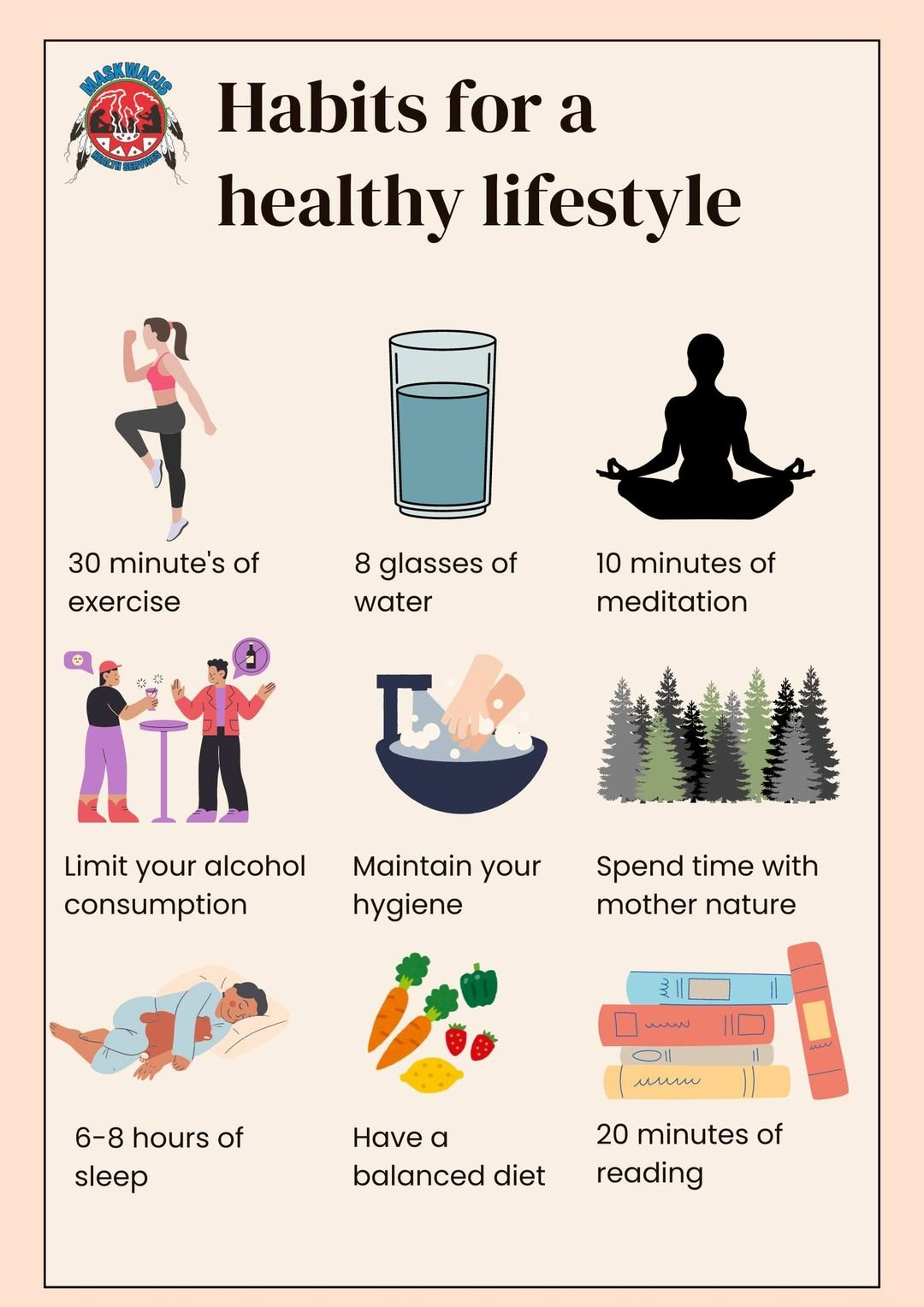
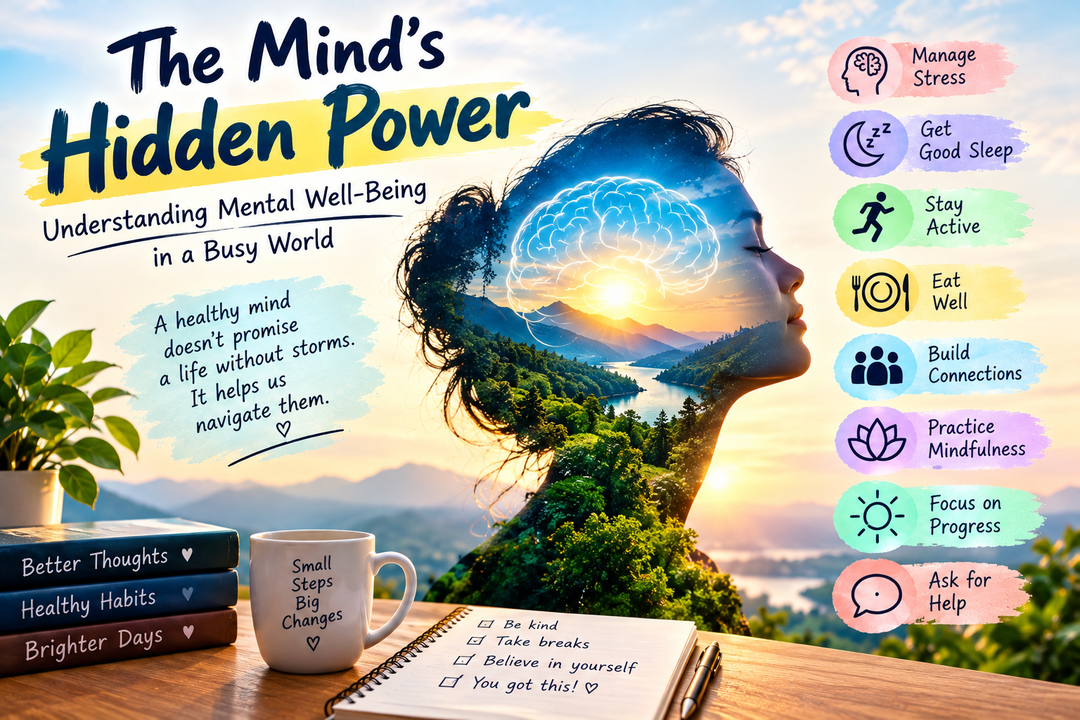
Getting enough sleep, staying active, eating balanced meals, drinking water, spending time with supportive people, limiting unnecessary screen time, enjoying hobbies and taking regular breaks can all contribute to well-being.
Keeping a simple routine can also reduce the number of decisions we have to make each day. Knowing roughly when we will study, rest, eat and sleep can create a sense of stability.
These habits will not make life problem-free. They can, however, help us approach challenges with greater energy and awareness.
We Are Not Machines
One of the biggest pressures in modern life is the expectation that we should perform perfectly every day.
But people are not machines.
Our energy, motivation and emotions naturally change. Some days are productive; others are difficult. A poor result does not define our ability, and a mistake does not define our character.
Sometimes progress means achieving something significant. Sometimes it simply means getting through a difficult day and trying again tomorrow.
We should learn to speak to ourselves with the same patience we would offer a friend. If a friend made a mistake, we probably would not tell them that their entire future was ruined. We should not automatically say that to ourselves either.
Self-compassion does not mean avoiding responsibility. It means recognising mistakes without turning them into judgments about our entire identity.
Building a Culture of Care
Mental well-being is not only an individual responsibility. Families, schools and communities all have a role to play.
A classroom where students can make mistakes without being ridiculed encourages learning. A family where people can discuss emotions openly creates trust. A friendship built on respect provides a sense of belonging.
Schools can encourage healthy routines, reasonable workloads, opportunities for physical activity and access to appropriate support. Families can create spaces where young people feel comfortable discussing their worries without immediately being judged.
We do not need perfect words to support someone. We can listen, take their concerns seriously and encourage them to seek appropriate help when necessary.
Small acts of kindness can make people feel seen and valued.
Learning to Set Boundaries
Another important part of mental well-being is learning that we cannot say yes to everything.
There are only twenty-four hours in a day. Trying to satisfy every expectation can leave little time for sleep, relationships, hobbies or rest.
Healthy boundaries mean recognising our limits and communicating them respectfully.
This might mean saying, “I cannot do that today,” turning off a notification while studying, taking a break from social media or refusing to participate in a conversation that has become disrespectful.
Setting boundaries is not about being selfish. It is about understanding that our time and energy are limited resources.
Gratitude and Appreciation
Our minds naturally notice problems. That ability can help us identify danger, but if we focus exclusively on what is wrong, we may overlook what is going well.
Practising gratitude can be a simple way to shift attention towards positive aspects of life.
This does not mean pretending that difficulties do not exist. A person can be worried about an examination and still appreciate a supportive friend. Someone can have a difficult day and still enjoy a favourite song, a good meal or a peaceful evening.
Small moments of appreciation can remind us that one difficult experience is not the whole story.
The Mind’s Hidden Power
The mind is invisible, but its influence reaches almost every part of our lives. It helps us create, learn, solve problems and imagine possibilities that do not yet exist.
A scientist begins with a question. An artist begins with an idea. A student begins with curiosity. A writer begins with a thought.
Human progress itself is closely connected with our ability to think, imagine and cooperate.
That is why mental well-being should not be considered only when something goes wrong. Caring for the mind can become part of everyday life.
We can learn to recognise stress, make time for rest, maintain supportive relationships and ask for help when we need it.
A Healthier Relationship with Success
Success is often measured through marks, awards, money, followers or recognition. These things can be meaningful, but they do not tell the complete story of a person's life.
There are quieter forms of success too.
Learning something difficult.
Being kind when it would be easier not to be.
Recovering after disappointment.
Having the courage to ask a question.
Helping someone who needs support.
Trying again after failure.
A broader definition of success allows us to appreciate growth rather than constantly chasing external approval.
Conclusion: Care for the World Within
Inside every person is a world that nobody else can completely see. It contains memories, hopes, fears, questions and dreams.
We spend enormous amounts of time caring for the world around us. Our minds deserve that same attention.
Mental well-being does not mean having a life without difficulties. It means developing healthier ways to understand emotions, handle pressure, connect with others and seek support when necessary.
It means recognising that rest is productive, mistakes are part of learning, comparison is often misleading and asking for help is a normal part of being human.
It also means extending that understanding to others. We never know what someone may be carrying silently, so kindness and patience matter.
We cannot control every event in our lives. We cannot prevent every disappointment or remove every difficult emotion. But we can learn how to respond, where to turn for support and how to care for ourselves along the way.
So pause when you need to.
Rest when you are tired.
Move when you have been sitting too long.
Talk when something is troubling you.
Put down the phone when your mind needs quiet.
Celebrate progress instead of chasing perfection.
And remember:
A healthy mind does not promise a life without storms. It helps us navigate them.
The world inside us may be invisible, but it shapes the way we experience everything outside us.
Perhaps the most important journey we can take is therefore not always outward.
Sometimes, it begins within.