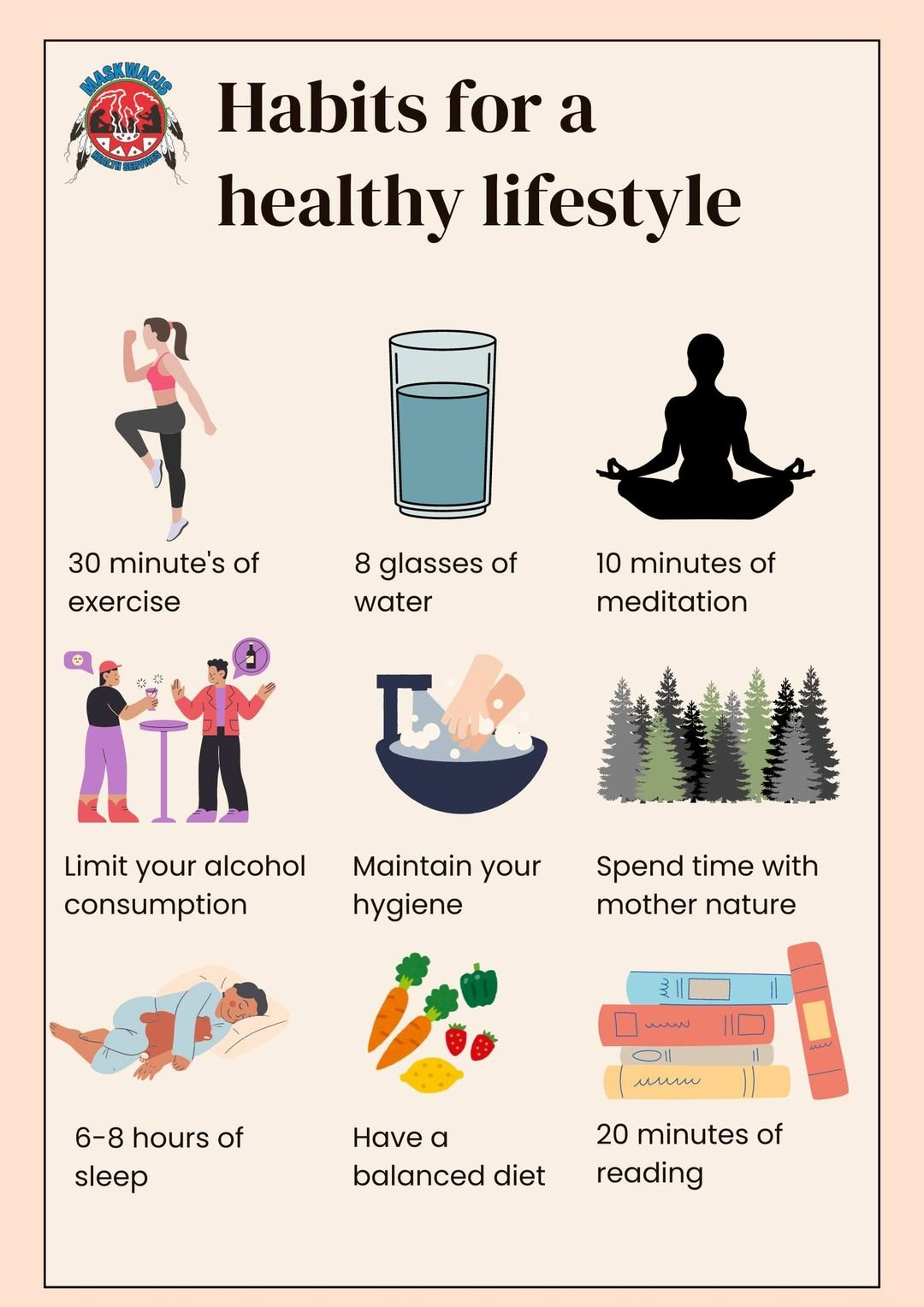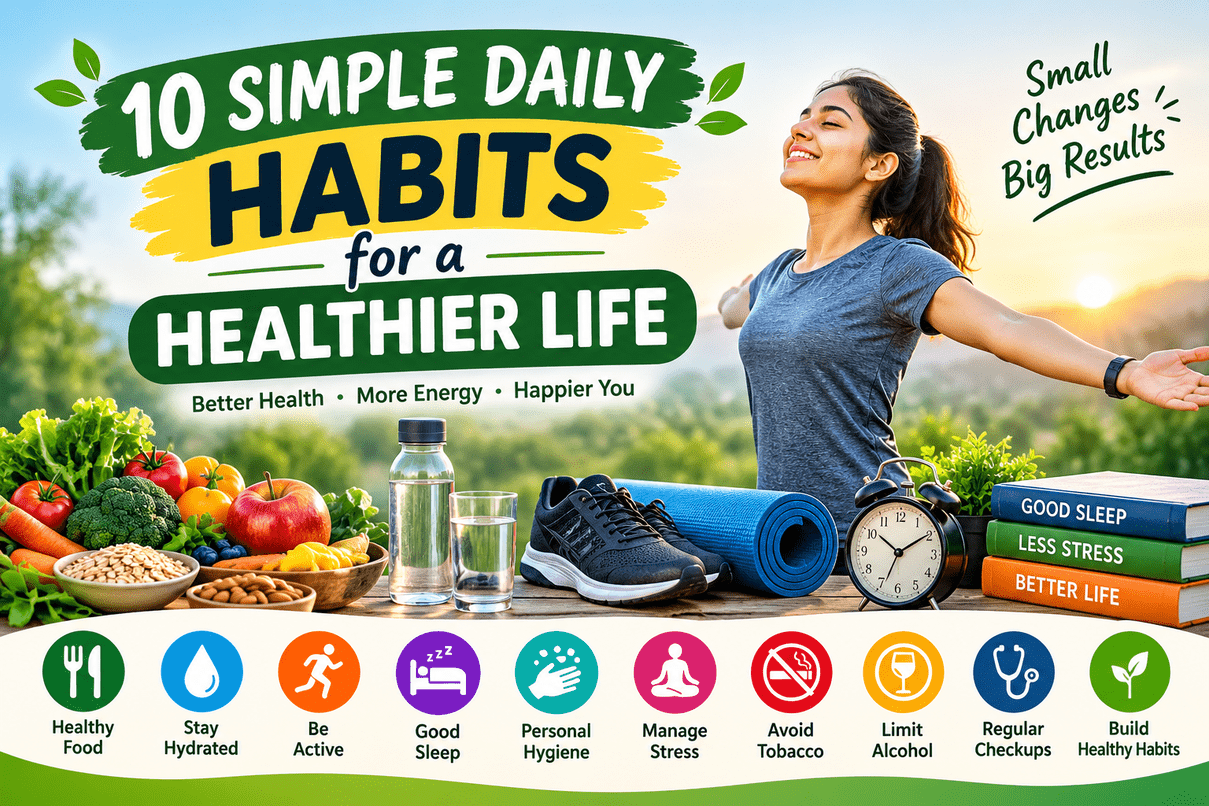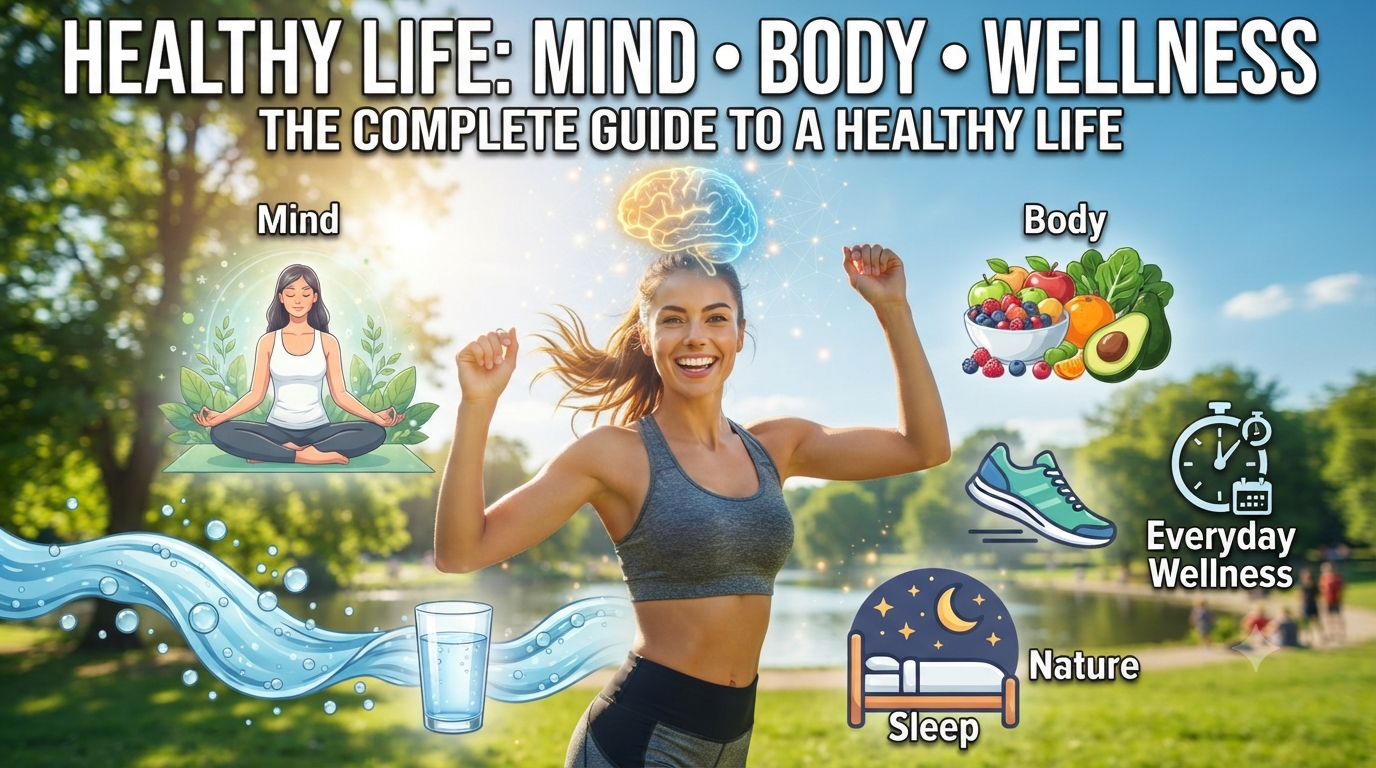
Health is one of the most valuable parts of life. When we are healthy, we have more energy to work, learn, spend time with family, enjoy our interests, and handle everyday challenges. Good health is not simply the absence of disease. It is a combination of physical well-being, mental and emotional balance, healthy habits, good nutrition, sufficient sleep, regular movement, and meaningful social connections.
In today's fast-moving world, maintaining good health can sometimes become difficult. Long working hours, sedentary lifestyles, processed foods, stress, insufficient sleep, and excessive screen time can gradually affect our well-being. The good news is that many important aspects of health can be improved through simple and consistent lifestyle choices.
Understanding What Good Health Means
Health is a broad concept. Physical health is only one part of it. Mental health, emotional well-being, social relationships, and the ability to perform daily activities all contribute to a person's overall quality of life.
A healthy lifestyle does not mean following a perfect routine every day. Instead, it means developing habits that support the body and mind over the long term. Small improvements made consistently can be more useful than making major changes for only a short period.
The Importance of a Balanced Diet
Food provides the nutrients and energy the body needs to function. A balanced diet generally includes a variety of vegetables, fruits, whole grains, pulses, nuts, seeds, and appropriate sources of protein.
Eating a wide variety of foods can help provide different vitamins and minerals. Meals should be planned according to individual nutritional needs, age, activity level, and health circumstances.
It is also useful to pay attention to highly processed foods that are often high in added sugar, salt, or unhealthy fats. Such foods do not necessarily need to disappear completely from everyone's diet, but moderation can be an important part of a balanced eating pattern.
Drink Enough Water
Water is essential for many functions in the human body. People lose water throughout the day through breathing, sweating, and urination.
Keeping hydrated can support normal bodily functions and help prevent problems associated with dehydration. Water requirements vary from person to person depending on factors such as weather, physical activity, diet, and health conditions.
Instead of waiting until extreme thirst develops, people can make hydration part of their normal daily routine.
Regular Physical Activity
Movement is an important part of a healthy lifestyle. Physical activity supports cardiovascular health, muscle strength, bone health, mobility, and overall fitness.
Exercise does not have to mean spending hours in a gym. Walking, cycling, swimming, stretching, dancing, household activities, sports, and strength exercises can all contribute to an active lifestyle.
People who spend long periods sitting can also benefit from taking regular movement breaks. Standing up, walking around, stretching, or changing position during the day can help reduce prolonged sedentary time.
Sleep and Recovery
Sleep is essential for physical and mental recovery. During sleep, the body carries out important processes that support memory, concentration, immune function, and overall well-being.
Adults generally benefit from having a consistent sleep schedule and creating an environment that supports restful sleep.
A useful bedtime routine may include reducing unnecessary screen use before sleep, keeping the bedroom comfortable, avoiding excessive caffeine late in the day, and maintaining regular sleeping and waking times.
Persistent sleep problems should not simply be ignored. If poor sleep continues or significantly affects daily life, speaking with a qualified healthcare professional can be appropriate.
Mental and Emotional Health
Mental health is an important part of overall health. Work pressure, financial concerns, family responsibilities, social difficulties, and major life changes can all create stress.
Everyone experiences difficult emotions from time to time. Healthy ways of managing stress can include physical activity, adequate sleep, spending time with supportive people, hobbies, relaxation techniques, and taking reasonable breaks.
Talking with a trusted person can also be helpful. When emotional difficulties become persistent, severe, or interfere with everyday life, professional support may be appropriate.
Managing Stress
Some stress is a normal part of life, but prolonged or overwhelming stress can affect both mental and physical well-being.
One useful approach is to identify the sources of stress and determine which factors can realistically be changed. Breaking large tasks into smaller steps can make responsibilities feel more manageable.
Simple practices such as deep breathing, walking, meditation, journaling, or taking short breaks may help some people relax.
There is no single stress-management technique that works for everyone. The goal is to find healthy strategies that fit an individual's lifestyle.
The Role of Preventive Healthcare
Healthcare should not only begin when a person becomes seriously ill. Preventive care can help identify certain health concerns early and provides an opportunity to discuss lifestyle, vaccinations, screenings, and other appropriate measures with healthcare professionals.
The type and timing of health checks depend on factors such as age, sex, family history, existing conditions, and individual risk factors.
People should discuss appropriate preventive care with qualified medical professionals rather than relying only on general health information.
Avoiding Tobacco and Limiting Harmful Substances
Tobacco use is associated with serious health risks. Avoiding tobacco products is an important part of protecting long-term health.
Alcohol can also carry health risks, and the safest approach may vary depending on the individual. People who drink should understand the potential risks and follow applicable medical and public-health guidance.
For people struggling with dependence on tobacco, alcohol, or other substances, professional support can be an important step toward recovery.
Maintaining a Healthy Weight
Body weight is influenced by many factors, including genetics, diet, physical activity, sleep, medications, environment, and medical conditions.
A healthy approach should focus on overall well-being rather than unrealistic appearance standards. Extreme diets or rapid weight-loss programs may not be appropriate for everyone.
A sustainable approach generally involves nutritious food, regular movement, adequate sleep, and professional guidance when needed.
Healthy Habits at Work
Many people spend a large part of their day at work. Office routines can therefore have a significant effect on health.
People who work at desks can consider adjusting their chair and monitor position, maintaining comfortable posture, taking regular movement breaks, and avoiding prolonged periods in the same position.
A healthy workplace can also support mental well-being by encouraging reasonable workloads, respectful communication, adequate breaks, and a positive working environment.
Digital Health and Screen Time
Technology has become an important part of modern life. Computers and smartphones provide valuable tools for work, communication, education, and entertainment.
However, excessive screen use can contribute to inactivity, poor posture, eye strain, and disrupted sleep for some people.
Taking regular screen breaks, maintaining an appropriate viewing distance, adjusting brightness, and balancing digital activities with physical and social activities can help create healthier technology habits.
Building Healthy Family Habits
Health habits are often easier to maintain when family members support one another.
Families can encourage healthy routines by preparing nutritious meals together, taking walks, participating in sports, maintaining regular sleep schedules, and creating opportunities for conversation.
Children can particularly benefit from seeing healthy behaviors practiced by adults around them.
Social Connections and Health
Human beings are social by nature. Positive relationships can provide emotional support, companionship, encouragement, and a sense of belonging.
Spending time with family and friends, participating in community activities, helping others, and maintaining meaningful relationships can contribute to overall well-being.
Social connection does not necessarily mean having a large number of friends. Even a few supportive relationships can be valuable.
Listening to Your Body
Learning to notice changes in the body can be an important part of health awareness.
Unusual or persistent symptoms should not automatically be dismissed as tiredness or stress. Depending on the situation, symptoms such as persistent pain, unexplained weight changes, prolonged fever, difficulty breathing, unusual bleeding, or significant changes in normal bodily functions may require medical attention.
Health information found online can be useful for education, but it should not replace professional diagnosis or treatment.
The Importance of Consistency
One of the biggest challenges in improving health is maintaining habits over time.
A person does not need to completely transform their lifestyle in one day. Starting with manageable goals can make healthy habits easier to maintain.
For example, someone who rarely exercises might begin with short walks. Someone who frequently skips breakfast might establish a regular morning meal. Someone who sleeps irregularly might begin by setting a consistent bedtime.
Small actions can become routines when repeated regularly.
Creating a Personal Health Plan
A personal health plan can begin with a simple assessment of current habits.
Consider asking:
- How much physical activity do I get?
- Am I eating a variety of nutritious foods?
- Am I sleeping regularly?
- How do I usually manage stress?
- Do I spend too much time sitting?
- Do I have regular medical checkups when appropriate?
- Do I have supportive relationships?
- Are there habits I would like to change?
After identifying areas for improvement, choose a few realistic goals rather than attempting to change everything simultaneously.
Health Is a Long-Term Investment
Good health is not something that should only receive attention when a problem appears. It is an ongoing investment.
Healthy food, regular movement, adequate sleep, stress management, preventive healthcare, and positive relationships can all contribute to a healthier life.
There will be days when routines are interrupted. Travel, work pressure, family responsibilities, illness, and unexpected events can make healthy habits difficult. This is normal. The important thing is to return to healthy routines rather than giving up completely.
Conclusion
A healthy life is built from everyday choices. There is no single diet, exercise program, or routine that is perfect for everyone. Individual needs are different, and medical advice should be personalized when necessary.
The most important principles are simple: eat a varied and nutritious diet, stay physically active, get adequate sleep, manage stress, avoid harmful substances, maintain meaningful relationships, and seek appropriate medical care.
Health is not about perfection. It is about making better choices consistently and giving your body and mind the care they need.
Every healthy decision, no matter how small, can become part of a stronger routine. By taking care of our health today, we create a better foundation for tomorrow.
Health is one of the greatest assets a person can have. Money, success, education, and professional achievements are important, but without good health, it can become difficult to enjoy them fully. A healthy body gives us the energy to work, travel, learn, exercise, spend time with family, and participate in activities that make life meaningful.
Health is not limited to physical fitness. It includes physical, mental, emotional, social, and sometimes spiritual well-being. A person can look physically healthy while experiencing significant stress or emotional difficulties. Similarly, someone may have a physical health challenge while maintaining strong emotional and social well-being.
A healthy lifestyle is therefore about taking care of the whole person.
Modern life has brought many conveniences. Technology allows people to work from home, communicate instantly, order food, shop online, and access information within seconds. However, these conveniences can also encourage sedentary behavior, irregular eating, excessive screen time, poor sleep habits, and reduced physical activity.
Maintaining good health requires awareness and consistent effort.
Physical Health
Physical health refers to how well the body functions and how effectively a person can perform everyday activities.
Good physical health can be supported by nutritious food, regular physical activity, adequate sleep, hydration, preventive healthcare, and healthy habits.
Physical health should not be understood only in terms of body weight or appearance. Strength, mobility, endurance, cardiovascular health, flexibility, energy levels, and the ability to perform daily tasks are also important.
Healthy Eating
Food is the body's source of energy and nutrients. The quality and variety of food we consume can influence many aspects of health.
A balanced eating pattern can include vegetables, fruits, whole grains, pulses, beans, nuts, seeds, and appropriate sources of protein.
Different people have different nutritional requirements. Age, activity level, allergies, medical conditions, pregnancy, medications, and other factors can influence dietary needs.
Eating slowly and paying attention to hunger and fullness can also encourage mindful eating.
Fruits and Vegetables
Fruits and vegetables provide a wide variety of vitamins, minerals, fiber, and other nutrients.
Including different colors and types of fruits and vegetables in meals can help increase dietary variety.
Leafy vegetables, carrots, tomatoes, beans, berries, citrus fruits, apples, bananas, and many other foods can contribute to a varied diet.
Fresh, frozen, and appropriately prepared vegetables can all be